Tribunal de apelaciones de EE. UU. rechaza blindaje a empresas de redes sociales

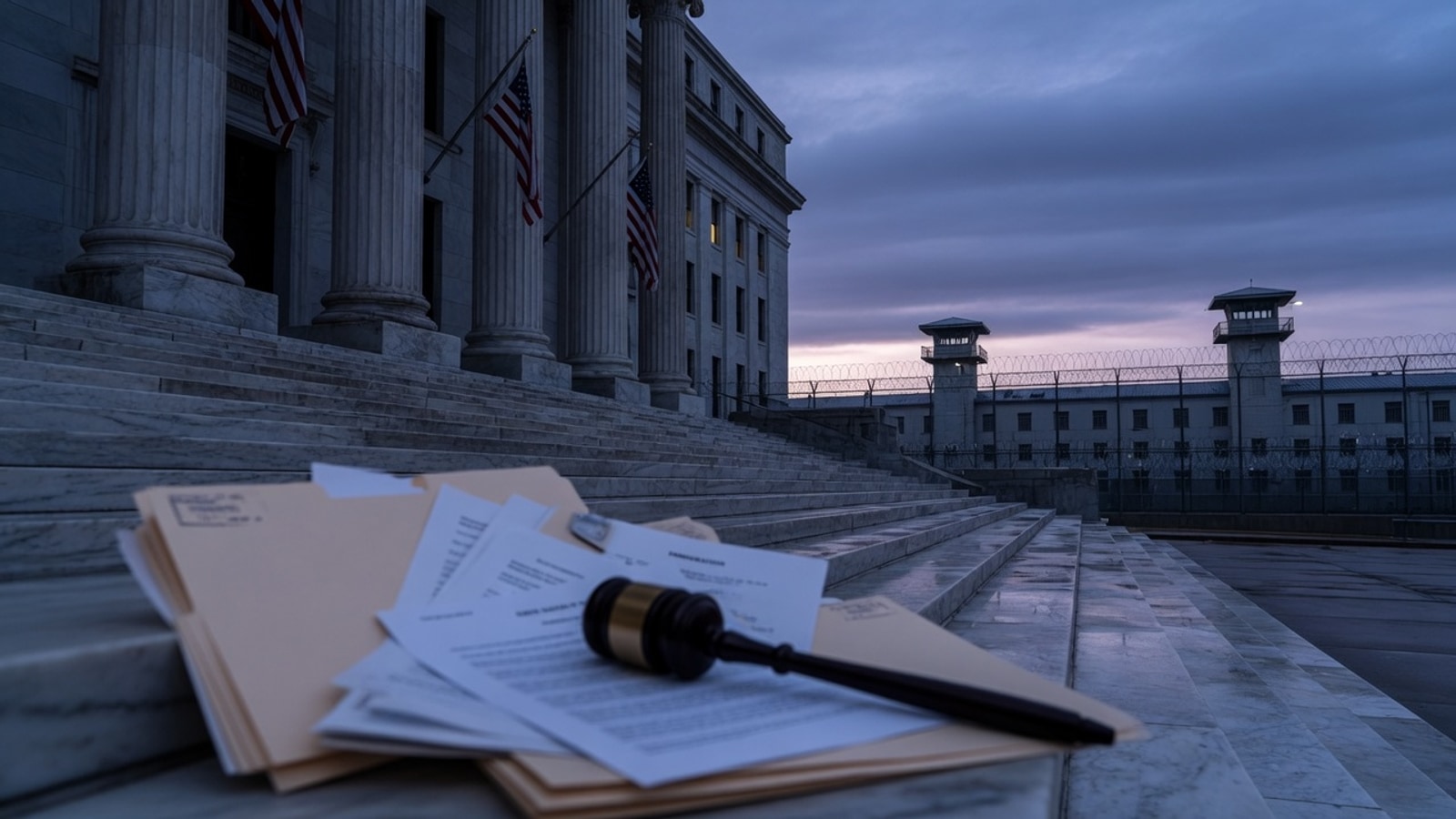
Tecnología y pantallas (ilustrativa) - Archivo Público
Origen del artículo: Estados UnidosEsta nota fue traducida del inglés
Resumen basado en fuentes
El Tribunal de Apelaciones del Circuito determinó que las empresas de redes sociales no pueden utilizar el escudo de responsabilidad tecnológica (Sección 230 de la Ley de Decencia en las Comunicaciones) para desestimar demandas, sino solo como defensa contra reclamaciones.
Versión fundamentada
Según The Hill (10 de agosto de 2026).
- A U. S. Appeals Court on Monday declined to drop the thousands of online safety lawsuits against social media firms, ruling Meta and TikTok appealed the…
- In a jury verdict in California last March, a judge determined Meta and YouTube were negligent in their design or operation of the platforms. Fuente: https://thehill.com/homenews/6021367-social-media-safety-lawsuits-proceed/
Del medio
A U. S. Appeals Court on Monday declined to drop the thousands of online safety lawsuits against social media firms, ruling Meta and TikTok appealed the cases too early.
In an opinion issued Monday, the 9th U. S. Circuit Court of Appeals determined the technology liability shield — Section 230 of the Communications Decency Act — cannot be used by social media firms to dismiss lawsuits but only as a defense against claims.
Section 230, which protects technology companies from being held legally liable for third-party or user content, has largely shielded several firms from lawsuits related to content posted on their platforms.
Meta, the parent company of Instagram and Facebook, and TikTok argued Section 230 also applies to suits targeting the design of their platforms and that they should not have to wait for litigation to conclude before filing an appeal.
The court did not agree, ruling it does not have jurisdiction over this issue, as Section 230 “ merely provides a defense to liability— not immunity from suit,” Judge Jacqueline Nguyen wrote for the three-judge panel.
The decision paves the way for thousands of lawsuits alleging Meta, TikTok and other social media companies designed platforms that encourage addictive behavior, fail to verify users’ ages and inadequately prevent harmful content.
In a jury verdict in California last March, a judge determined Meta and YouTube were negligent in their design or operation of the platforms. The companies were ordered to pay a combined $6 million.
The case, brought by a 20-year-old named…
Original del medio
Probabilidad de asistencia IA
29%
Bajo
- ·Repetición alta de estructuras de palabras
- ·Poca alineación léxica entre titular y cuerpo
Estimación heurística del original del medio (muletillas, variación sintáctica, especificidad). No es prueba forense ni acusa al periodista.
Señales de sesgo en esta pieza
Nivel de señales observables en el texto. No representa una medición ideológica ni una evaluación general del medio.
Sin señales detectadas según la metodología. Eso no demuestra objetividad del medio: solo indica que no hallamos una señal anclada en esta pieza.
Más en Fundado
Artículos relacionados
Otras piezas con el mismo alcance o tema.
 MundoJusticia
Una corte de EE. UU. evita definir sobre la legalidad de usar el Alien Enemies Act
 MundoJusticia
Recuperan en San Pablo ocho grabados de Henri Matisse robados en diciembre
 MundoJusticia
Cuestionan el uso de la fuerza y las directrices internas de los agentes del ICE
 MundoJusticia
Arrestaron en Carolina del Norte a una pareja tras un parto en un inodoro
 MundoJusticia
Avanza el juicio por el asesinato del rapero Tupac Shakur ocurrido en septiembre de 1996
 MundoJusticia
Comenzó el juicio oral contra Pity Álvarez por el homicidio cometido en 2018
Comunidad
Debate
Sin comentariosOpinión libre. Si citás un dato, sumá una fuente — se destaca en el hilo.
Todavía no hay comentarios
Sé el primero en aportar. Si afirmás un hecho, una fuente suma.