Nacido e incomprendido en el USA
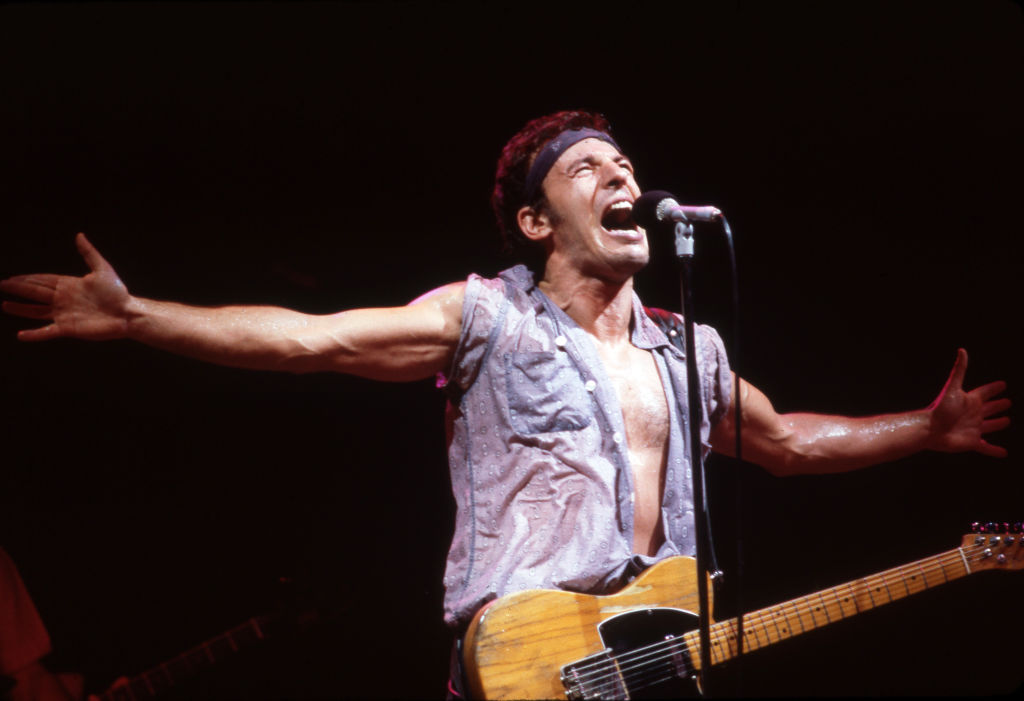
Ilustrativa · 926577720852
Origen del artículo: Estados UnidosEsta nota fue traducida del inglés
Resumen objetivo
Obtenga una suscripción introductoria a Jacobin por solo $ 20 R onald Reagan tuvo una infancia con una canción de rock del corazón. Entrecerró mucho los ojos y miraba las fotografías como si quisiera desaparecer, desvanecerse en la pared o en el campo de maíz o cualquier fondo que le permitiera huir de una familia que un crítico llamó "un retrato surrealista de Norman Rockwell".
Original del medio
Probabilidad de asistencia IA
17%
Muy bajo
- ·Repetición alta de estructuras de palabras
Estimación heurística del original del medio (muletillas, variación sintáctica, especificidad). No es prueba forense ni acusa al periodista.
Versión fundamentada
Del medio
Get an introductory Jacobin subscription for just $20 R onald Reagan had a childhood out of a heartland rock song. His family moved from rental to rental in a series of small Illinois towns — Tampico, Galesburg, Monmouth — before settling in Dixon, a Twainish town on the Rock River, when he was ten. You can hear a cloudless movie version of this life in a small-town ditty by John Mellencamp; a haunted, rain-lashed rendition on Bruce Springsteen’s Nebraska. As a child, Ronald was anxious and lonely and small. He squinted a lot and looked in photographs like he wanted to disappear, fade into the wall or cornfield or whatever backdrop might allow him to flee a family that one critic called “a surreal Norman Rockwell portrait.” His father was an alcoholic who leaped from one sad, shady business scheme to another. His mother spent her days in church, performing in the choir as if it were cabaret and taking home a stream of stray boarders, whose souls she dreamed of saving. What saved her son was the power of positive thinking. As Rick Perlstein frames it in The Invisible Bridge, Reagan “worked out in the psychic gymnasium of boyhood fantasy with ten times the furious determination of an ordinary boy.” He checked out library books on self-made men, became entranced by the heroic simplicity of sports, and character-acted his way through high-school theater. He reimagined “the morass in front of him as a tableau of simple moral clarity” and superimposed it atop his family’s white, clapboard, American Gothic –looking balloon-frame house in the heart of America. Redemptive fantasy, everyday heroism, small-town pain and small-town glory, nostalgia for a fictional childhood you never had, a general mood of “suck it up and tough it out and be the best you can”: this was the soil Reagan plowed for his American myths. It was also the soil that the 1980s genre of heartland rock, described in Erin Osmon’s new book as the fruit of the last truly popular season of left-populism in American culture, cultivated for its imagery. The tension here — the bristling intimacy between Reagan’s right-wing reboot of the American imagination, and the left-populist rhetoric of rock stars who wrote music to oppose him — lends strangeness, difficulty, and allure to a heartland rock genre that might more simply be seen as the music that still feels good to hear when its smooth, mid-tempo anthems siren out of your dad’s garage. C ertain genre labels endure through vagueness. “Modern ism as a notion is the emptiest of all cultural categories,” Perry Anderson once protested. “There is no other aesthetic marker so vacant and vitiated,” he went on, “a portmanteau concept whose only referent is the blank passage of time itself.” And yet few terms have been more perennially reemployed. You could say something similar of heartland rock. It was a term invented by journalists in the 1980s whose only referent is the blank map of sentimental geography. For some, the American heartland conjures up the Midwest; for others, the heartland stretches into the Texas panhandle and the rural South, or even rust-belt New Jersey and the sexless parts of California and Florida. Osmon’s Won’t Back Down is the first history of the genre. She opens the book as an agnostic: “A generous person may view the term as a badge of honor — a way to commemorate a group of artists who worked outside of corporate pop music’s trends and garnered acclaim. A more cynical person may say that the term was a
Sesgo en esta pieza
Lenguaje cargado
Adjetivos o fórmulas de impacto que empujan una emoción sin sumar un hecho (ej. «escandaloso», «IMPACTANTE», «slammed»). No se marcan palabras literales de un desastre o crimen real (ej. «catástrofe» en un terremoto).
Qué significa nivel 1/5
Leve: un matiz discutible; no cambia la lectura del hecho.
Frase del original
«furious»
Por qué se marcó en esta pieza
Señal de lenguaje cargado en el cuerpo: aparece «furious». Término de carga emocional o espectáculo que empuja una lectura antes del hecho. Fragmento: «…c gymnasium of boyhood fantasy with ten times the furious determination of an ordinary boy.” He checked out library b…». (Nivel 1/5 — solo esta pieza, no el medio entero.)
No mide la objetividad del medio completo: solo señales en el texto de esta noticia.
Generalización
Frases absolutas («todos», «nadie», «la gente», «everyone») que tratan un caso como si fuera la regla universal.
Qué significa nivel 1/5
Leve: un matiz discutible; no cambia la lectura del hecho.
Frase del original
«never»
Por qué se marcó en esta pieza
Señal de generalización en el cuerpo: aparece «never». Generalización absoluta sin matiz ni dato: presenta un caso como si fuera la regla universal. Fragmento: «…wn glory, nostalgia for a fictional childhood you never had, a general mood of “suck it up and tough it out and be…». (Nivel 1/5 — solo esta pieza, no el medio entero.)
No mide la objetividad del medio completo: solo señales en el texto de esta noticia.
Framing partidario
Etiquetas de bando («la casta», «los K», «woke», «the regime») o preguntas retóricas que meten el hecho en un relato político previo.
Qué significa nivel 2/5
Moderada: hay un empujón retórico o un hueco, pero el hecho sigue claro.
Frase del original
«the left»
Por qué se marcó en esta pieza
Señal de framing partidario en el cuerpo: aparece «the left». Marco de bando o etiqueta tribal: organiza el hecho dentro de un relato político previo. Fragmento: «…ight-wing reboot of the American imagination, and the left-populist rhetoric of rock stars who wrote music to oppose h…». (Nivel 2/5 — solo esta pieza, no el medio entero.)
No mide la objetividad del medio completo: solo señales en el texto de esta noticia.
Debate
Entrá para comentar. Podés leer todo sin cuenta.
- Todavía no hay comentarios.