Los recortes de Medicaid podrían acabar con los centros de salud Safety-Net
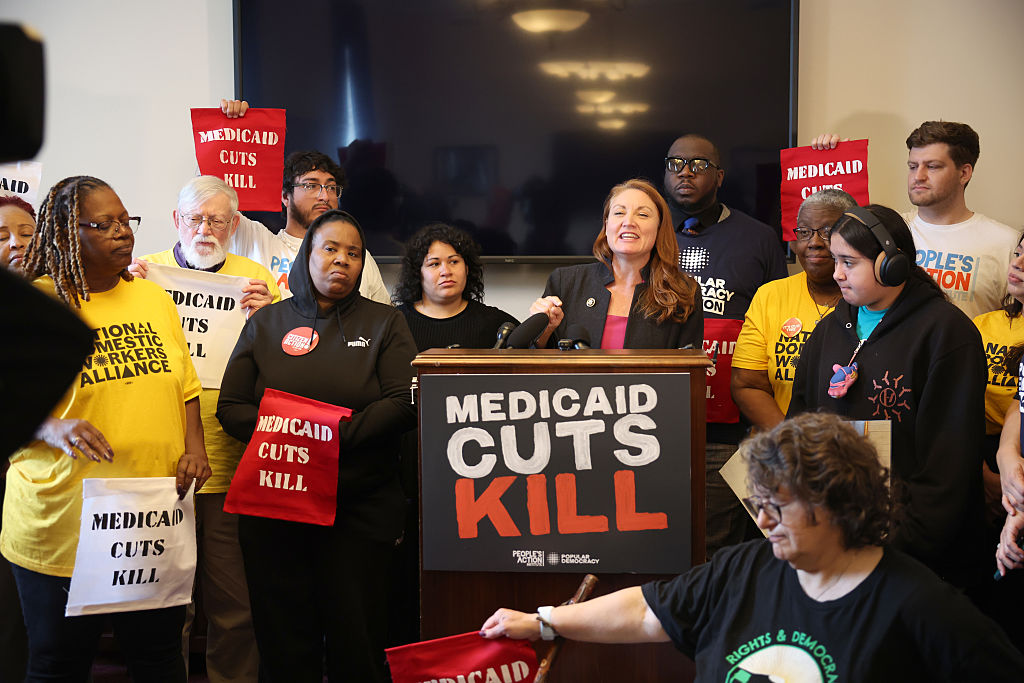
Ilustrativa · 647212337561
Origen del artículo: ArgentinaEsta nota fue traducida del inglés
Resumen objetivo
El FQHC lo brindan médicos de seguridad dedicados a brindar servicios de salud a personas que no suelen tener acceso a atención médica primaria y de emergencia. Dado que la mayoría de los pacientes de FQHC son elegibles para Medicaid, la financiación de este programa es el pilar de este centro de salud. La mayoría de los pacientes en estos centros reciben beneficios de Medicaid.
Original del medio
Probabilidad de asistencia IA
29%
Bajo
- ·Poca alineación léxica entre titular y cuerpo
Estimación heurística del original del medio (muletillas, variación sintáctica, especificidad). No es prueba forense ni acusa al periodista.
Versión fundamentada
Del medio
Get an introductory Jacobin subscription for just $20 I f you’ve ever driven through an American city, odds are you have seen a federally qualified health center (FQHC). FQHCs are safety-net medical providers dedicated to providing health services to people who may not otherwise have access to quality primary and outpatient care. According to one FQHC nurse, the facilities function to “fill gaps in our disaster of a health care system... and to address health disparity and provide health care to folks who just can’t be part of the capitalist health care system in America.” These clinics form the backbone of medical care for uninsured and underinsured Americans. In California alone, there are approximately 171 FQHCs and forty-three “look-alike” locations that function similarly but with key differences in their funding sources. In 2024, California FQHCS served nearly six million patients, 30 percent of whom are children, and the vast majority of whom live below the poverty line. Almost three-quarters of patients at these facilities received Medicaid benefits. Millions of Californians who may have otherwise been unable to receive medical care are supported by FQHCs. FQHCs are unique compared to other medical facilities, in that they receive about 9 percent of their funding from a federal 330 grant that requires clinics to follow a strict set of requirements on who they serve, how they spend money, and how their governing bodies are composed. (“Look-alike” clinics do not receive these federal grants but still serve a similar function to certified FQHCs.) The other 91 percent of funding for these facilities come from other sources, namely revenue from medical services provided. Since a majority of FQHC patients are insured by Medicaid, that program’s funding is a primary lifeline of these health centers. This is not a paywall. Log in or register for free to keep reading. Subscribe to access our full archives and beautiful print and digital magazine starting at just $3 a month.
Sesgo en esta pieza
Lenguaje cargado
Adjetivos o fórmulas de impacto que empujan una emoción sin sumar un hecho (ej. «escandaloso», «IMPACTANTE», «slammed»). No se marcan palabras literales de un desastre o crimen real (ej. «catástrofe» en un terremoto).
Qué significa nivel 2/5
Moderada: hay un empujón retórico o un hueco, pero el hecho sigue claro.
Frase del original
«disaster»
Por qué se marcó en esta pieza
Señal de lenguaje cargado en el cuerpo: aparece «disaster». Palabra de alto impacto usada como adorno retórico, no descripción literal de un hecho. Fragmento: «…rse, the facilities function to “fill gaps in our disaster of a health care system... and to address health disparity…». (Nivel 2/5 — solo esta pieza, no el medio entero.)
No mide la objetividad del medio completo: solo señales en el texto de esta noticia.
Debate
Entrá para comentar. Podés leer todo sin cuenta.
- Todavía no hay comentarios.