España introducirá controles fronterizos temporales a los visitantes procedentes de Italia
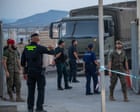
Ilustrativa · 4492
Artículo original · The Guardian
Origen del artículo: Reino UnidoEsta nota fue traducida del inglés
Resumen objetivo
España ha anunciado que introducirá controles fronterizos temporales a los visitantes procedentes de Italia en respuesta a que Roma impuso medidas similares tras una avalancha masiva de personas de Marruecos a Ceuta. A las pocas horas, el gobierno de la primera ministra de extrema derecha de Italia, Giorgia Meloni, dijo que “no tenía intención de revisar la decisión” antes del 15 de agosto, cuando dijo que las autoridades españolas “esperaban que una nueva ola de migración” golpeara a Ceuta.
Original del medio
Probabilidad de asistencia IA
30%
Bajo
- ·Repetición alta de estructuras de palabras
- ·Poca alineación léxica entre titular y cuerpo
Estimación heurística del original del medio (muletillas, variación sintáctica, especificidad). No es prueba forense ni acusa al periodista.
Versión fundamentada
Del medio
The checks, which come ‘amid the persistent irregular migration pressure’ facing Italy, will starts at midnight on Saturday. Photograph: Antonio Sempere/AP View image in fullscreen The checks, which come ‘amid the persistent irregular migration pressure’ facing Italy, will starts at midnight on Saturday. Photograph: Antonio Sempere/AP Spain to introduce temporary border checks on visitors from Italy Move comes in response to Rome imposing similar measures after mass migration rush to Ceuta Spain has announced it will introduce temporary border checks on visitors from Italy in response to Rome imposing similar measures after a mass rush of people from Morocco into Ceuta. The checks, which come “amid the persistent irregular migration pressure” facing Italy, will start at midnight on Saturday and last until 7 September, Spain’s interior ministry said in a statement. Hours earlier, Spain threatened Italy with countermeasures if it did not swiftly lift its own border checks, drawing a rebuff from Rome. The rare spat between the EU and Nato allies came after tens of thousands of people crossed from Morocco to Spain’s north African territory on 30-31 July in an unprecedented, deadly rush. The scenes infuriated EU members that back a hard line on irregular immigration, including Italy, which imposed border checks on people arriving from Spain for one month. The Spanish government criticised the measure on Friday as “unfair, contrary to the EU’s interests and discriminatory for the Spanish population”. Foreign minister José Manuel Albares described it as “a torpedo fired at the hull of European unity”. “We urge the government of Italy to rectify, put an end to the checks and treat Spaniards like other European citizens,” he added. He threatened “proportional measures” in response by Sunday if Italy failed to comply. Within hours, the government of Italy’s far-right prime minister, Giorgia Meloni, said it “had no intention of revising the decision” before 15 August, when it said Spanish authorities “expected a new wave of migration” to hit Ceuta. Meloni’s office said in a statement: “Italy does not accept ultimatums or impositions from abroad regarding national security and border control. “Only when there is certainty that there are no security or terrorism risks to Italy, that no new wave is occurring, and that no irregular migrants are heading toward European territory, will the decision be reconsidered.” Spain’s interior ministry announced the reciprocal measures within hours. Spanish police have been monitoring online rumours and social media about possible fresh arrivals in Ceuta in mid-August, according to local media. But authorities have not expressly said they expect a repeat of last week’s rush. Border authorities would in the meantime “do their utmost to ensure maximum ease of movement for Spanish and European citizens” who are not affected by border checks, the Italian statement added. Italy, which does not share a land border with Spain, introduced border controls at maritime and air entry points for third-country nationals arriving from Spain. The move, announced on 31 July, was an “extraordinary measure” intended to “safeguard national security and prevent possible repercussions for our nation”, Meloni said at the time. She was among several EU leaders who called for Spain to be suspended from the visa-free Schengen travel zone after the Ceuta incident, despite such a move being legally impossible. Italy’s coal
Sesgo en esta pieza
Framing partidario
Etiquetas de bando («la casta», «los K», «woke», «the regime») o preguntas retóricas que meten el hecho en un relato político previo.
Qué significa nivel 2/5
Moderada: hay un empujón retórico o un hueco, pero el hecho sigue claro.
Frase del original
«far-right»
Por qué se marcó en esta pieza
Señal de framing partidario en el cuerpo: aparece «far-right». Marco de bando o etiqueta tribal: organiza el hecho dentro de un relato político previo. Fragmento: «…comply. Within hours, the government of Italy’s far-right prime minister, Giorgia Meloni, said it “had no intention o…». (Nivel 2/5 — solo esta pieza, no el medio entero.)
No mide la objetividad del medio completo: solo señales en el texto de esta noticia.
Debate
Entrá para comentar. Podés leer todo sin cuenta.
- Todavía no hay comentarios.